
National Register Nomination of the Minnehaha
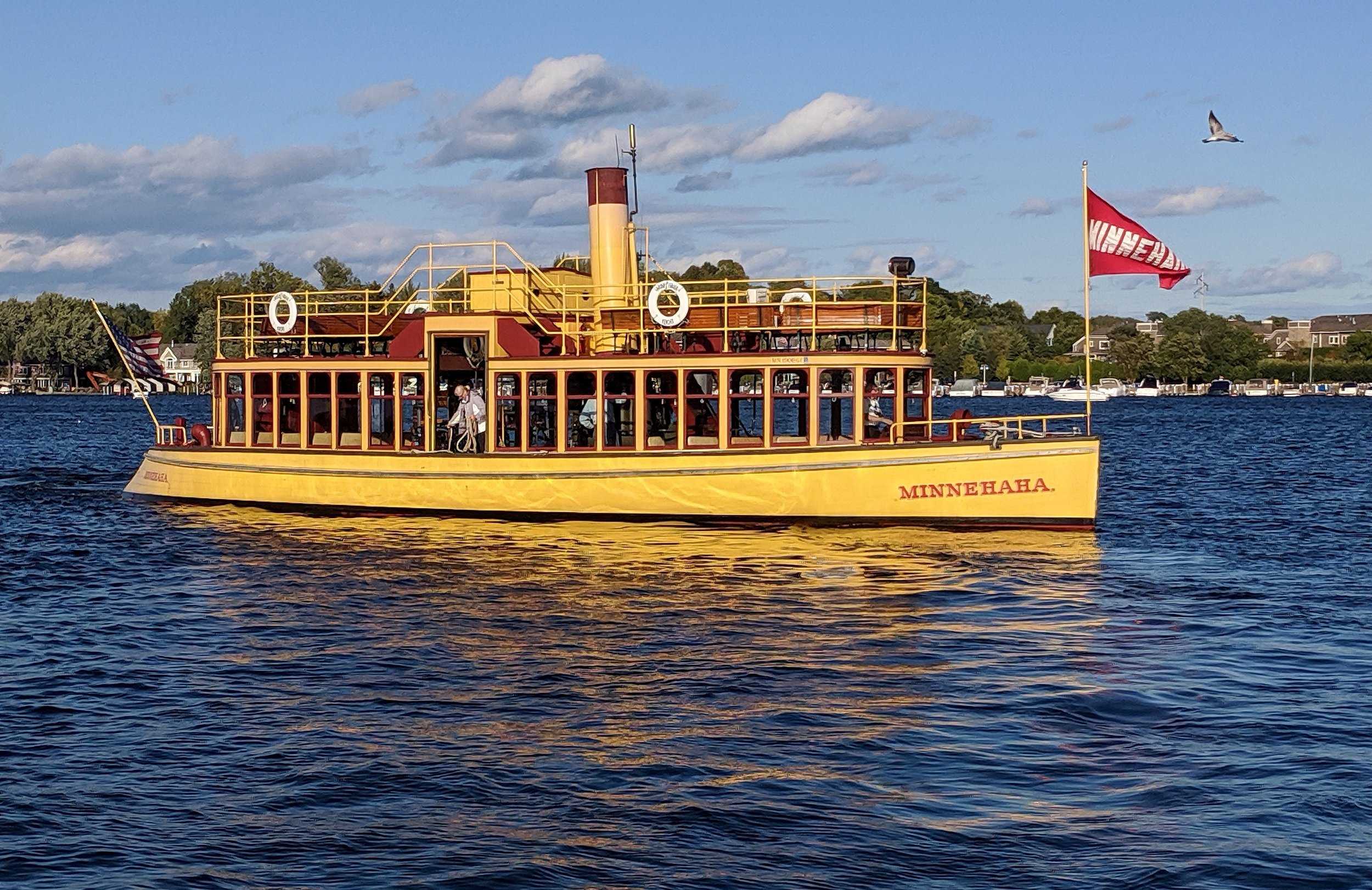
Constructed in 1906, salvaged in 1980, refurbished starting in 1990, and relaunched in 1996, the steamboat Minnehaha continues to ferry passengers as the only extant express boat, sometimes referred to as a streetcar boat, on Lake Minnetonka in Minnesota. The Minnehaha was one of six streetcar boats launched by the Twin City Transit Company in 1906 to provide service to lakefront communities around Lake Minnetonka. The streetcar boats, also called the Express Boats or “yellow jackets” due to their distinctive canary yellow exterior paint. The boats made stops at public and private docks, allowing those with lakefront property to commute to Minneapolis and visitors to spend a summer day on the waters of Lake Minnetonka. Row 10 authored the nomination of the Minnehaha to the National Register of Historic Places for local significance under Criterion A for its association with the themes of transportation and recreation.
Historic Tax Credits for a Building in the Bywater
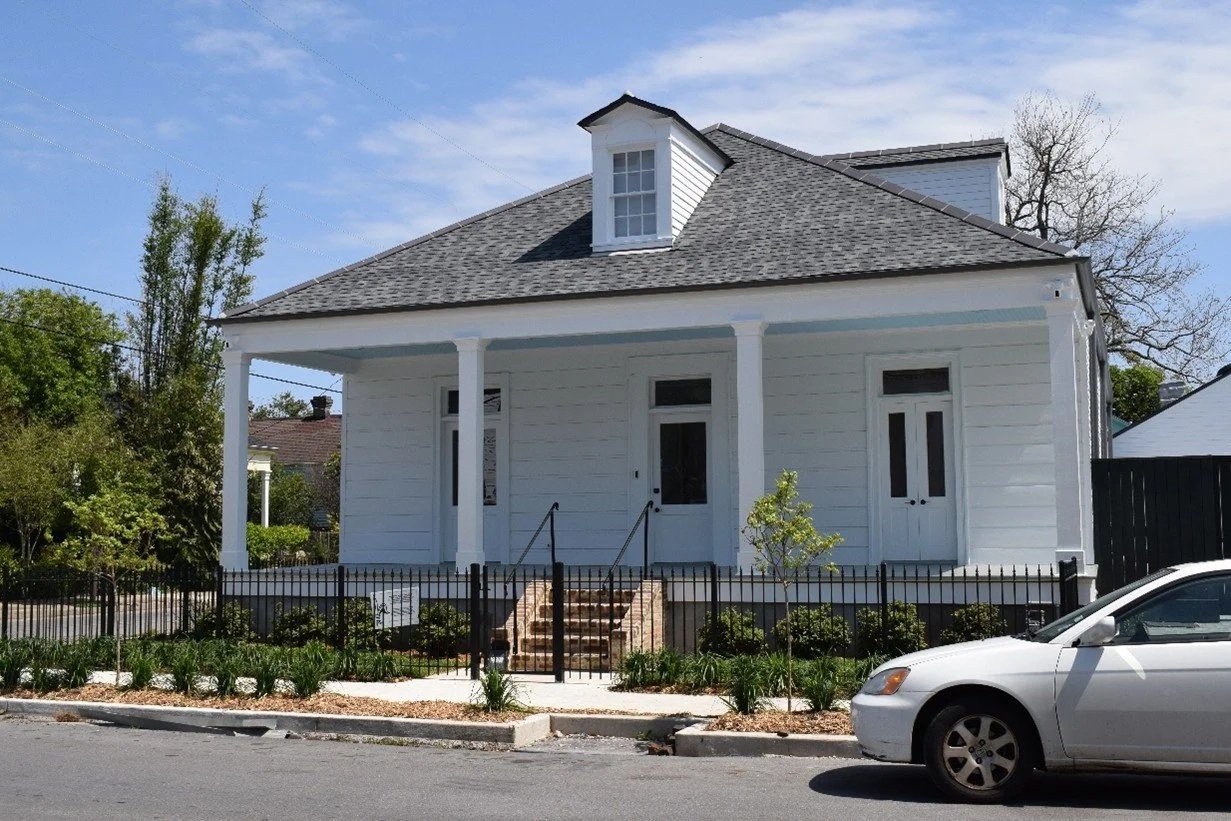
In 2025, this rehabilitation project received the Louisiana Landmarks Society 2025 Award for Excellence in Historic Preservation. Row 10 assisted in securing both state and federal tax credits for an 1840s center-hall residence in the Bywater National Register Historic District in New Orleans. Rehabilitation was necessary as the building had been heavily altered throughout time and was even utilized as a nightclub post-Hurricane Katrina.
Historic Resources Survey of the Oil Center
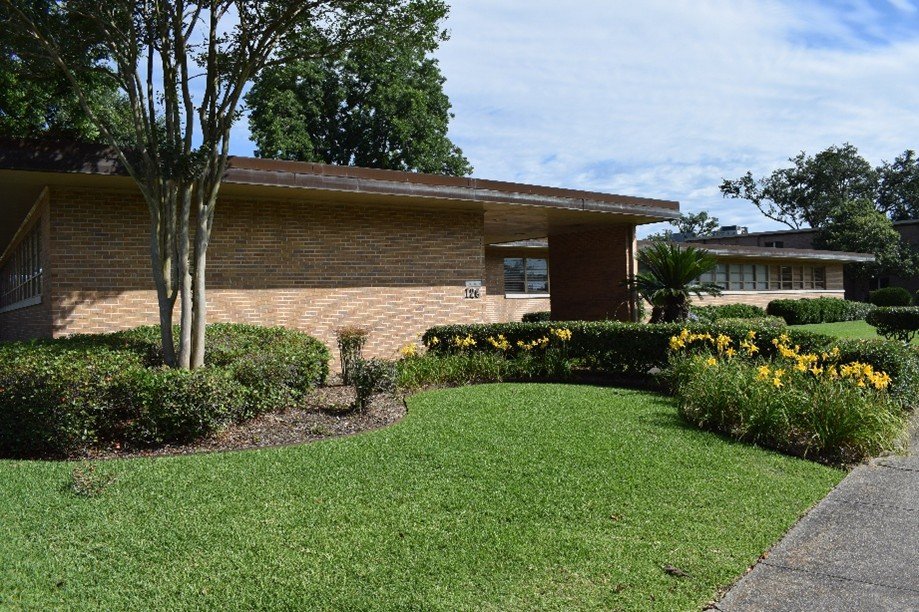
Row 10 completed a detailed survey of Lafayette's Oil Center as part of a National Register nomination. Staff conducted digital recordation of all buildings located in the Oil Center, a planned office complex for local petroleum executives. All staff met the Secretary of the Interior’s Professional Qualification Standards in History and Architectural History. Row 10 identified and described the defining characteristics of the district, including work by Louisiana architect, A. Hays Town, who designed much of the district. The nomination is now being used by local property owners to secure historic tax credits.
Historic Resources Due Diligence Studies

Row 10 has considerable expertise in studies designed to recognize potential impact to cultural resources in advance of construction and development projects. These studies assist the agency or developer to design and implement a strategy for compliance with Section 106 of the National Historic Preservation Act (NHPA) as well as in the evaluation of impacts to cultural resources under the National Environmental Policy Act (NEPA). These cultural resource impact studies identify historic buildings and districts, archaeological sites, and other historic properties that may be affected by a potential project, identify potential consulting parties and delineate next steps for the successful completion of the Section 106 process.
Historic Preservation Plan for the Togus VAMC Quarters Building 1

Quarters 1, built 1869, is the only original building from the establishment of the Eastern Branch of the National Home for Disabled Volunteer Soldiers. Quarters 1 is a two-story brick building oriented towards the southeast. The house exhibits characteristics typical of the Italianate architectural styles, such as arched windows and deep eaves with decorative brackets. Photograph evidence shows the building once had a full width, open porch on the southeast elevation, but the building now has a partial width, enclosed porch. The house was designated a National Historic Landmark (NHL) in 1974, as well as a contributing element to the Togus VAMC and National Cemetery Historic District listed in the National Register of Historic Places in 2012. Row 10 drafted a Historic Preservation Treatment and Maintenance Plan for Building 1 to help guide long-term use and preservation of the resource.
Historic Study of the Palladium in St. Louis
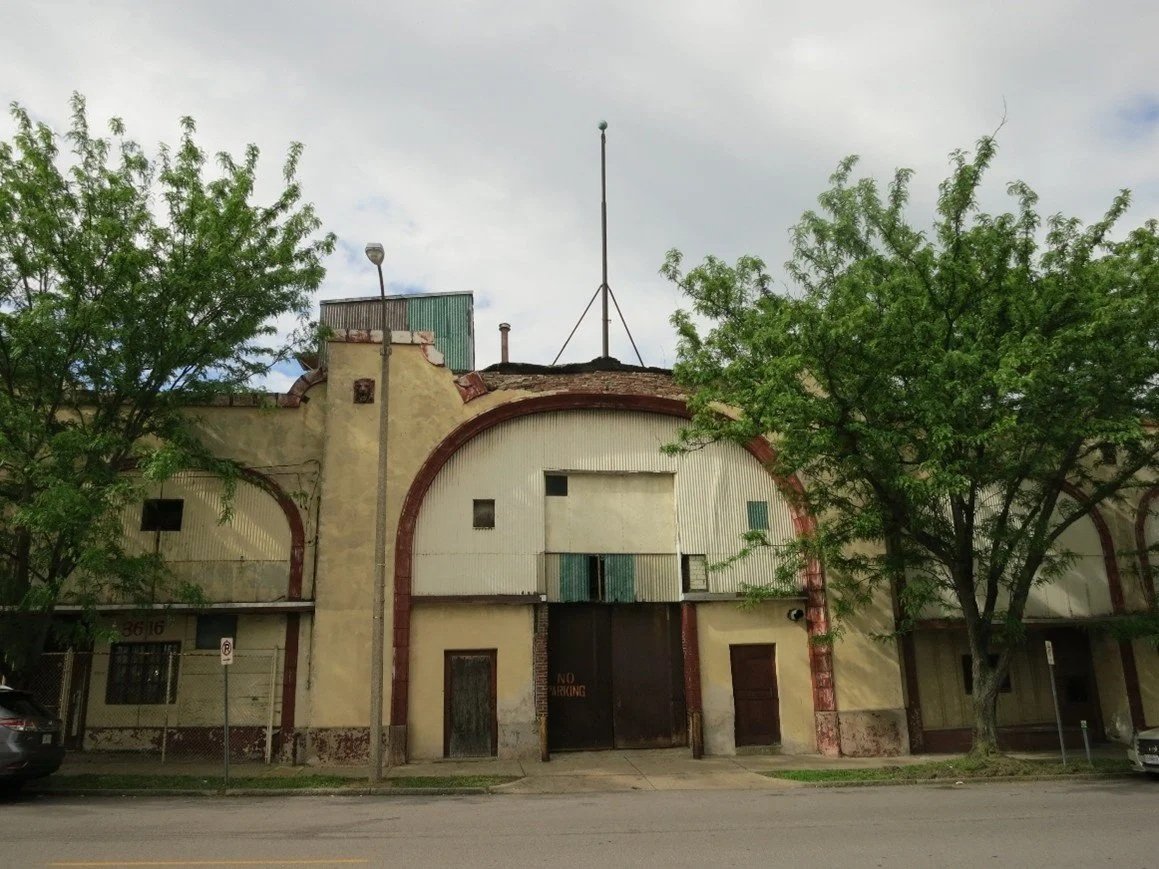
Row 10 research, authored, and produced a detailed report on the history of the Palladium building in St. Louis as part of VA’s reconfiguration of the John Cochran VA Medical Center. The report focused on the ethnic, cultural, and musical heritage history of the building in the greater context of St. Louis, Missouri. The building, constructed in 1913, served the community as hub of entertainment first as a roller rink then later as a nightclub that hosted many well-known jazz musicians such as Louis Armstrong, Ella Fitzgerald, and Dizzy Gillespie. .